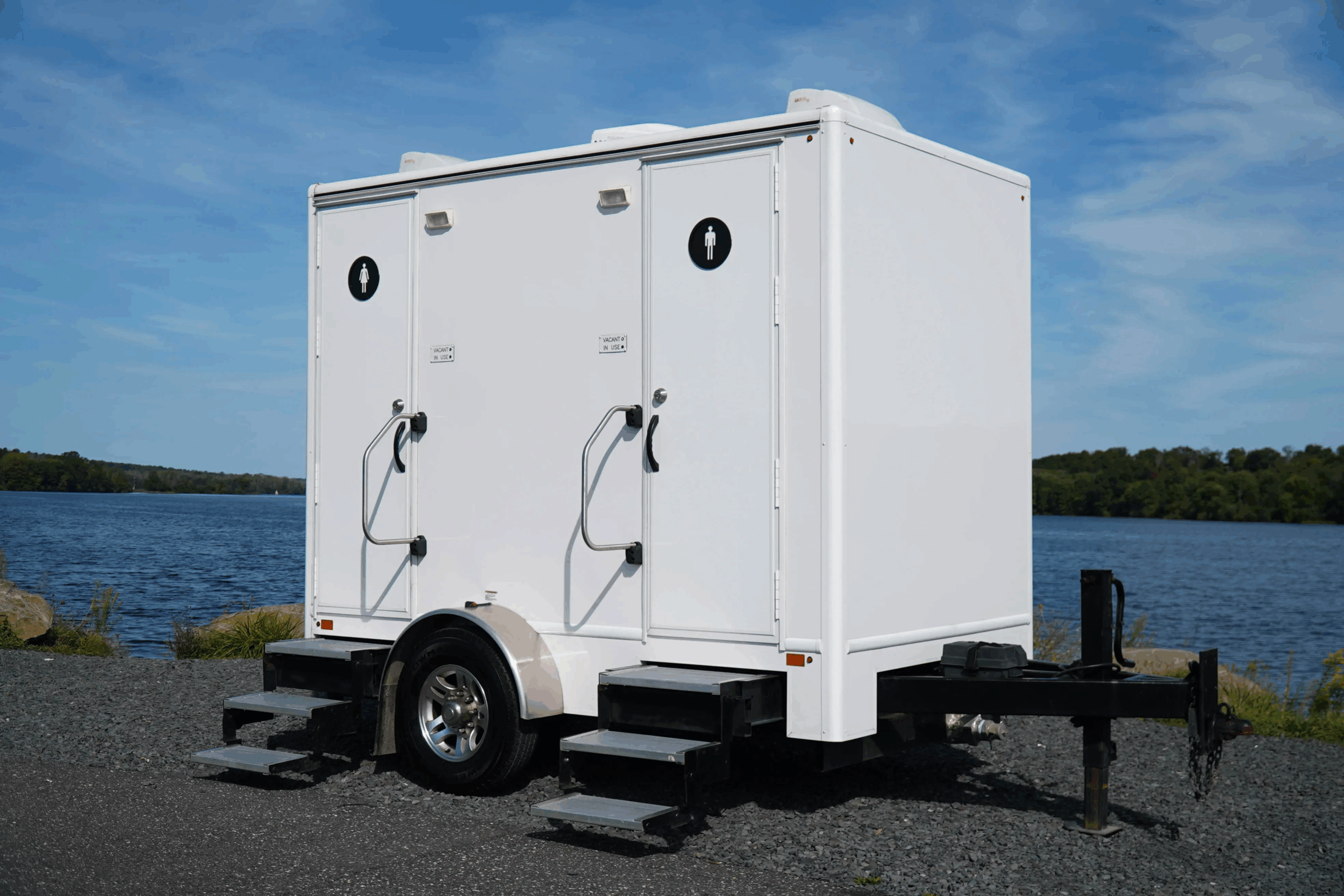
Restroom trailers present several eco-friendly advantages over traditional portable restrooms. Designed with sustainability in mind, they often feature environmentally friendly construction materials and efficient water usage systems. Many models are equipped with low-flow fixtures, reducing water consumption significantly compared to conventional options. In addition, these trailers come with advanced waste containment technology that minimizes environmental impact by providing sanitary, sealed waste solutions. The design of restroom trailers also supports better waste management practices, as they can be serviced less frequently due to their larger capacity. Furthermore, the mobility of these units allows them to be strategically placed to reduce ground disturbance in sensitive environmental areas.Through user-adjustable settings, many models allow operators to modulate water and power usage, further enhancing their conservation credentials. Another environmental benefit is their role in maintaining natural landscapes. By eliminating the need for constructing permanent restroom facilities, restroom trailers help preserve the surrounding flora and fauna. They can be used in remote or environmentally sensitive locations without harming the habitat—each unit providing temporary sanitation facilities, then leaving behind no trace once removed.Choosing restroom trailers, therefore, aligns with sustainable event planning aimed at reducing ecological footprints. It's about selecting a mature, environmentally responsible sanitary solution that meets modern expectations without burdening natural resources. When orchestrating an event, construction project, or large gathering, opting for a restroom trailer not only provides convenience and comfort but also supports broader environmental conservation goals. By minimizing waste, conserving water, and reducing the need for permanent infrastructure, restroom trailers make a positive environmental impact. Their versatile designs, equipped with sustainable features, underscore the industry's commitment to ecological stewardship—proving efficient and eco-friendly facilities can coexist.
Restroom Trailer Rentals in Keystone Heights, Florida
Call today for a free quote (352) 660-8775
Restroom Trailer
Fast, Easy, & 100% Free To Get Started
Over 20 Years of Expertise
For more than 20 years, Porta Serve has been an integral part of Keystone Heights, delivering unmatched service. We stand firm in our dedication to quality and customer satisfaction, guaranteeing the highest level of service every time.
Unmatched Quality Service
Our team is dedicated to providing top-tier restroom trailer rentals, ensuring cleanliness and reliability. We strive for excellence with every client interaction, promising a seamless experience.
Fast and Reliable Delivery
At Porta Serve, we understand the importance of timely service. Our quick delivery ensures that your restroom trailers arrive where and when you need them, without any hassle.
Reliable Restroom Trailer Solutions in Keystone Heights
Call for a Free Quote Today
(352) 660-8775
Welcome to Porta Serve, the premier provider of restroom trailer rentals in Keystone Heights, Florida. Locally owned and trusted, we offer exceptional reliability. Our professional team serves not only Keystone Heights but also surrounding areas, ensuring events ranging from construction sites and parties to festivals and weddings receive unparalleled sanitation support. With Porta Serve, expect facilities that consistently exceed expectations. Our attentive staff is dedicated to delivering clean, comfortable restroom solutions tailored to your unique requirements. Trust Porta Serve for superior quality and consistent reliability in portable sanitation.
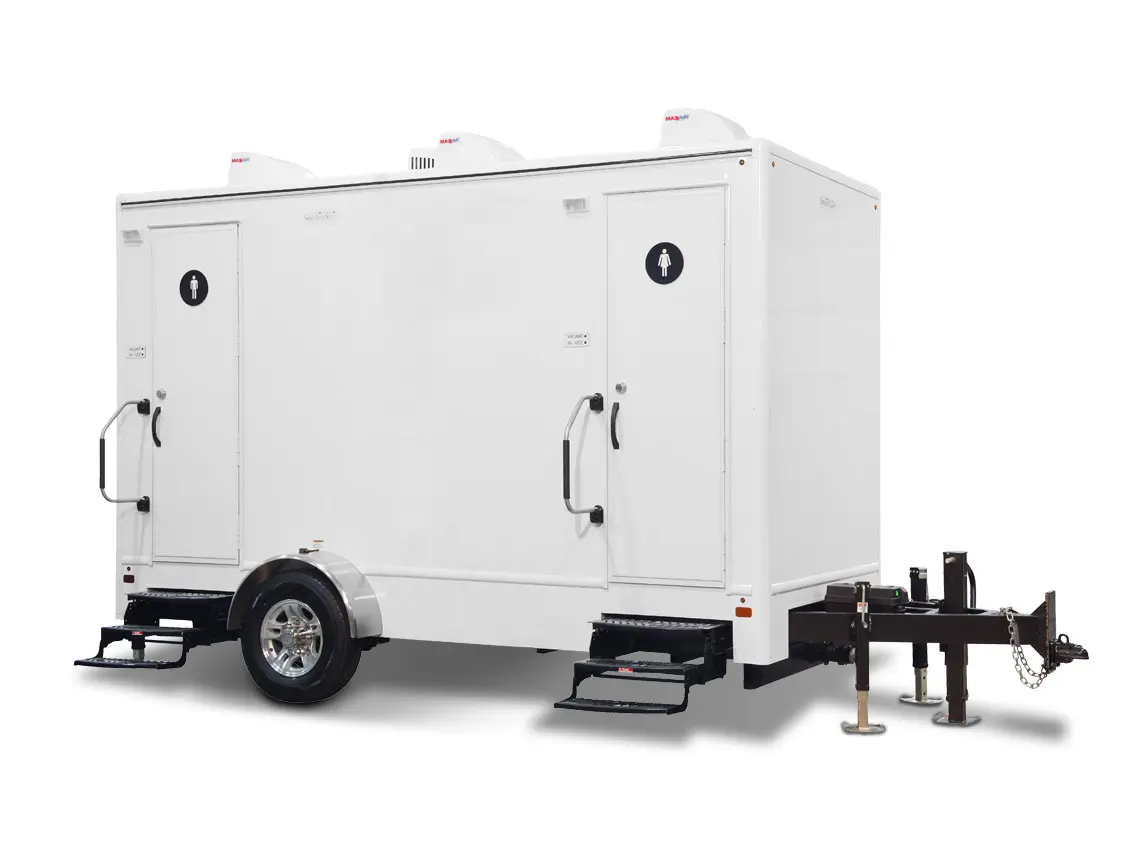
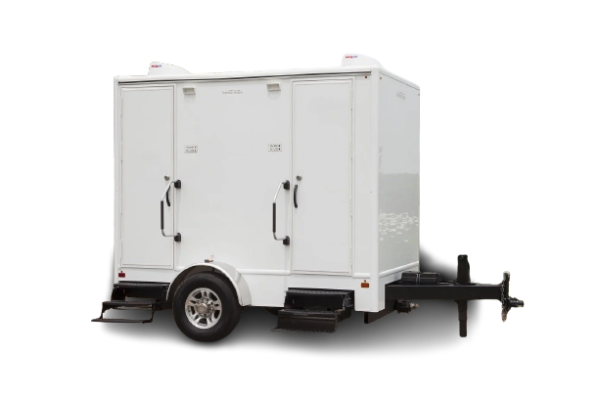
2 RestroomsA compact, stylish solution featuring separate entrances for men and women.Each private suite includes flushing toilets, sinks with running water, interior lighting, and climate control for comfort at any event or worksite.(We offer variants 2–10 stalls.)
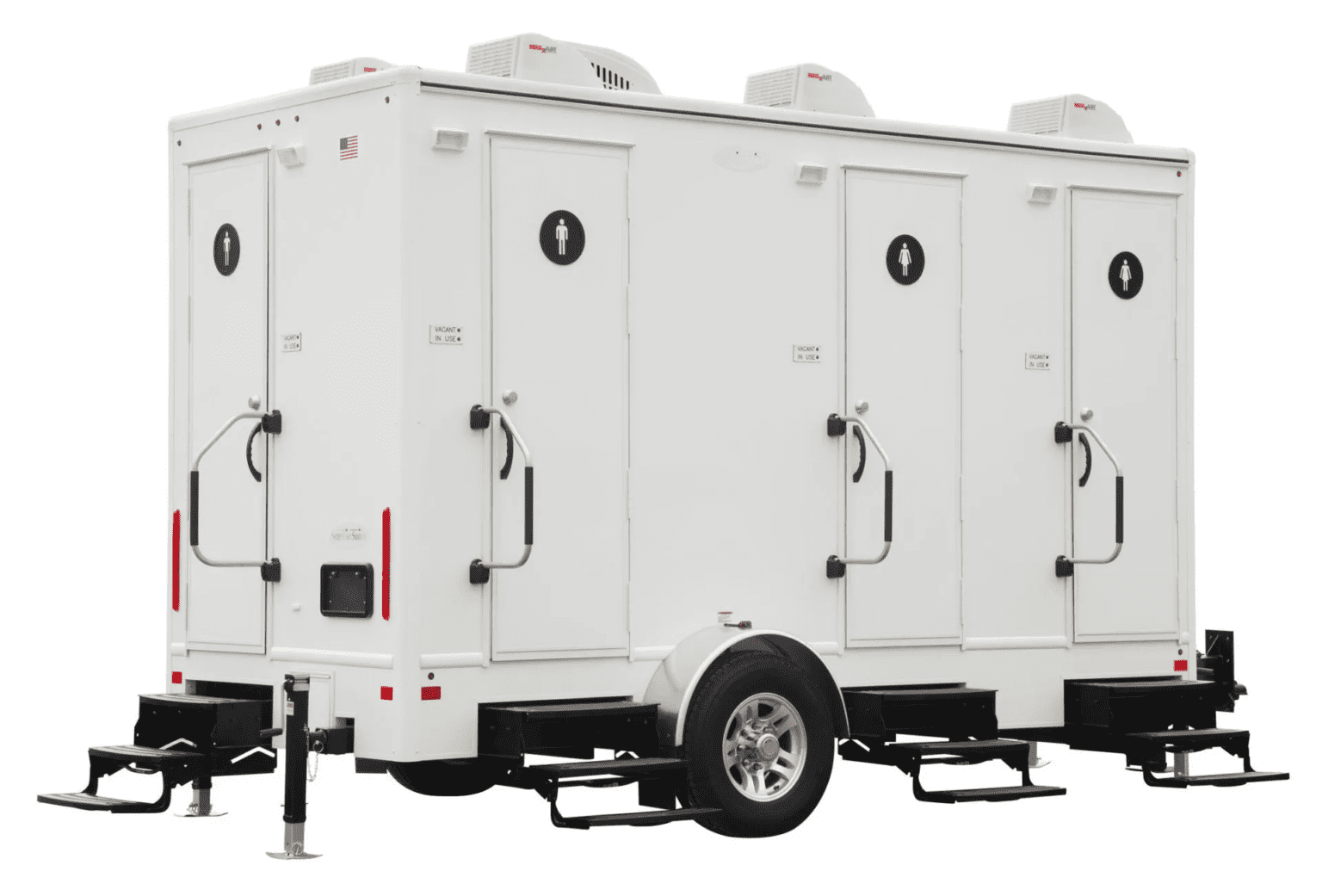
4 RestroomsDesigned for higher guest capacity, this unit offers four private, individual restrooms with flushing toilets, sinks with running water, interior lighting, and climate control.Ideal for weddings, festivals, and busy job sites.(We offer variants 2–10 stalls.)
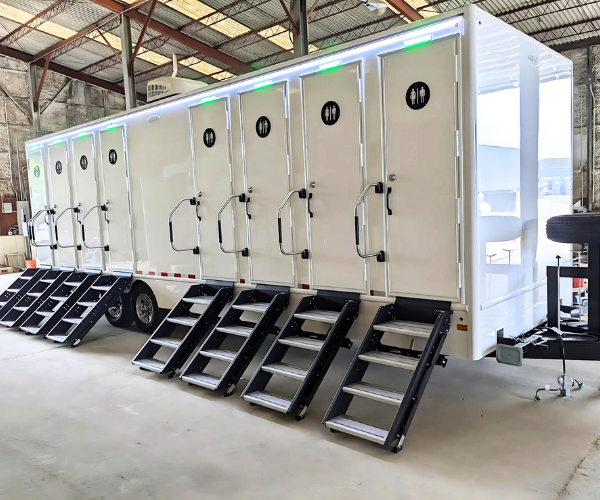
8 RestroomsPerfect for large events and high-traffic sites, this spacious trailer provides eight private stalls, each with a flushing toilet, sink with running water, interior lighting, and climate control.A reliable, upscale solution for maximum convenience and comfort.(We offer variants 2–10 stalls.)
We Proudly Serve
Standard Portable Toilets
Our standard portable toilets are a convenient sanitation solution available for Porta Serve throughout Florida.
High Rise Portable Toilets
Providing high rise portable toilets perfect for construction projects in Keystone Heights.
Restroom Trailers
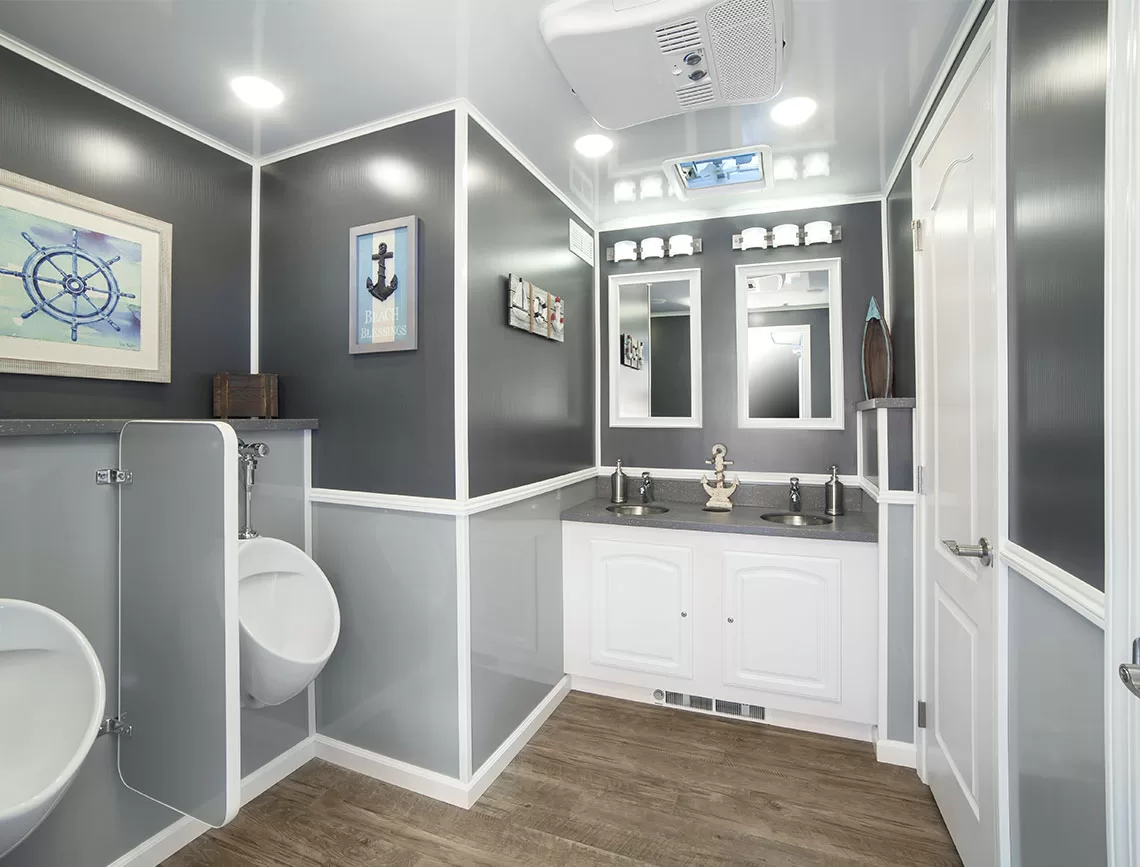
Our restroom trailers in Keystone Heights by Porta Serve provide luxury and comfort for any event.
Roll off Dumpsters
Porta Serve offers roll-off dumpsters for clean and efficient waste management in Keystone Heights.
Septic Tank Cleaning
Keep your septic systems running smoothly with Porta Serve's reliable septic tank cleaning in Florida.
Grease Trap Cleaning
Porta Serve ensures top-notch grease trap cleaning services in Keystone Heights, Florida.
Fencing & Barricades
Porta Serve supplies durable fencing and barricades solutions across Florida.
Residential Storage
Safe, secure residential storage options are available with Porta Serve in Keystone Heights, Florida.
Keystone Heights Restroom Trailer and Event Rentals
Discovering how convenient it is to obtain a quote and setup delivery for a restroom trailer couldn't be easier. At Porta Serve, we simplify the process, ensuring swift and accurate responses to your queries. Start by contacting us through the user-friendly forms prominently displayed at both the top and bottom of our webpage, or by clicking on the 'Get A Quote' buttons at any point. Just fill in your first name, last name, phone number, and email, and you're on your way to receiving crucial information tailored to your needs. Our team is committed to providing transparent, no-surprise pricing and comprehensive details regarding delivery and setup. Then, we focus on customizing the trailer to meet your specific event or project needs, promising a seamless integration with your plans. Whether it's for a lavish wedding, bustling construction site, or large public festival, our delivery service is structured to be fast, efficient, and reliable—making your planning process entirely stress-free.
Experience the local charm and reliability of Porta Serve's restroom trailers, a perfect addition to any Keystone Heights gathering. Nestled near the scenic shores of Keystone Beach and just a short drive from the annual Our Country Day Festival, this Florida gem offers an array of attractions that make it an ideal spot for community events. Our restroom trailers provide clean, trusted solutions to enhance your guests' experience, no matter the occasion. From festivals celebrating local culture to serene weddings under the natural canopy of the area, our portable solutions seamlessly fit the Keystone Heights vibe. Our services are designed to bring comfort to personal and larger-scale gatherings, emphasizing our local connection and commitment to quality. Enjoy the convenience of our reliable services and the sense of belonging we foster in our community.
For unmatched restroom trailer services in Keystone Heights, Porta Serve stands out as the best choice. Over the years, we have earned an esteemed reputation through dedicated service and a steadfast commitment to meeting client needs. Our extensive experience and broad inventory ensure you will find the perfect solution for your event requirements. Discover why we are the preferred partner for cleanliness, reliability, and service excellence. From grand galas to intimate family reunions or crucial on-site construction needs, our tailored services exceed expectations. Elevating your guest experience through strategic and efficient solutions is central to our mission.
At Porta Serve, we guarantee quick and reliable restroom trailer services. Our team responds rapidly to inquiries, ensuring trailers swiftly reach any location in Keystone Heights and beyond. We pride ourselves on seamless operations and unrestricted availability, perfectly aligning with clients' schedules. Depend on our expertly coordinated services for any event or need, ensuring you receive arrangements that are not only fast but also dependable and stress-free.
Keystone Heights: Discover Our Restroom Trailer
Renting a restroom trailer from Porta Serve in Keystone Heights is a straightforward process designed for your convenience. Begin by visiting our website, where you will find `Get A Quote` buttons placed prominently on each page to guide you. These buttons provide access to quick and easy forms that gather essential rental information. When you click on one, you'll be prompted to fill out a simple form, requiring your first name, last name, phone number, and email address. This ensures our team receives all necessary details to respond with an accurate and timely quote. Our customer service representatives are trained to provide quick responses and detailed explanations to any queries regarding available services and costs. Once you submit the form, you will receive a comprehensive quote that outlines items specifically tailored to your event or service needs. Additionally, our team will work closely with you to arrange a schedule that suits your timeline, accommodating the delivery and pick-up of our restroom trailers. You can also initiate direct contact with Porta Serve for personalized assistance. Whether you're hosting a wedding, organizing a public festival or managing a construction site, our experts will ensure you receive supportive guidance throughout the process. By choosing Porta Serve, you're guaranteed tailored solutions and smooth rental experiences, from inquiry through delivery and service completion.
The delivery timeframe for restroom trailer orders can vary depending on numerous factors, including location, availability, and specific event needs. However, at Porta Serve, we prioritize efficiency, ensuring our delivery services are among the fastest in the Keystone Heights region. Typically, once an order is confirmed and finalized, we aim to provide same-day or next-day delivery for nearby locations, ensuring you receive your rental promptly. Our flexible scheduling and dedicated delivery fleet allow us to accommodate a range of timelines, making sure your restroom trailer arrives exactly when you need it. For larger events or construction projects requiring additional planning, we recommend reaching out to confirm availability at your earliest. Our team excels at collaboration, ensuring seamless arrangements with precision and timeliness. Whether you have a last-minute request or a pre-planned event, you can trust Porta Serve to accommodate your unique circumstances efficiently. By leveraging our well-coordinated logistics framework and local knowledge, our expert team ensures punctual deliveries that align with our clients' expectations and event requirements. Communicate your timeframe preferences during the order process for an even more tailored experience—no delays, no stress.
Yes, Porta Serve expertly services a wide array of events and construction projects, fulfilling varied sanitary needs across the board. From colorful festivals and energizing sporting events to elegant weddings and corporate gatherings, we've handled it all, providing luxury restroom trailers and perfectly matching the ambiance of each occasion. We offer an extensive range of options, including standard porta potties, roll-off dumpsters, fencing, barricades, holding tanks, ADA units, portable sinks, and hand sanitizer stations. This allows us to cater comprehensively to any venue or site logistics, ensuring a seamless event experience. Whether you're managing an informal family reunion or overseeing large-scale outdoor festivities, our units are designed to accommodate the scale and complexity of your gathering or project. Rest easy knowing that our experienced team is equipped to address unique client demands with ease, providing setup expertise and complete sanitation solutions. Our commitment to quality and reliability ensures your guests will enjoy clean, convenient facilities—no matter the location or theme of your event.