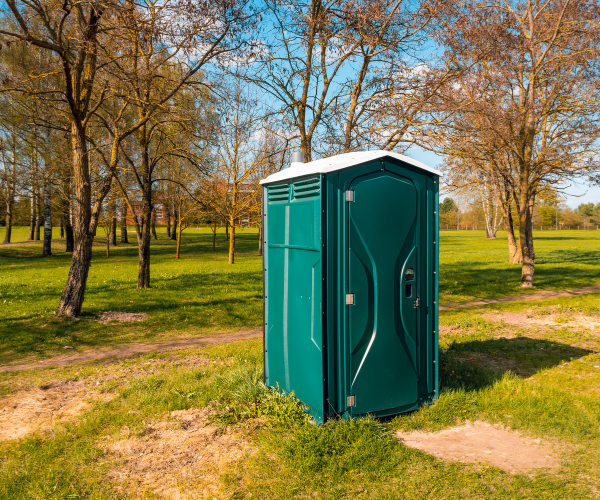
Using portable toilets comes with numerous eco-friendly advantages that bolster sustainable practices in sanitation. For starters, these units utilize significantly less water compared to traditional facilities, often relying on chemical solutions rather than fresh water systems for waste management. This reduction in water usage not only conserves valuable resources but also minimizes the impact on local water supplies, particularly in areas where water scarcity might be a concern. Furthermore, many portable toilets are engineered to be compact and efficient, reducing the eco-footprint involved in their production, transportation, and maintenance. Manufacturers are increasingly looking to use recycled materials in construction, which supports broader recycling efforts and reduces the demand for raw resources. Additionally, because portable toilets are typically collected and emptied by professional waste management services, they ensure that waste is processed and disposed of in a way that is both environmentally responsible and compliant with relevant regulations. This process limits the risk of contamination to natural environments—a crucial benefit when these facilities are used in outdoor settings. Overall, the combination of water conservation, efficient design, and professional waste handling makes portable toilets a commendable choice for eco-conscious consumers looking to reduce their environmental footprint without sacrificing convenience or hygiene.
Portable Toilet Rentals in Statenville, Florida
Call today for a free quote (352) 660-8775
Portable Toilet
Fast, Easy, & 100% Free To Get Started
Over 15 Years of Experience
For over 15 years, we have built strong community ties in Statenville, ensuring top-quality portable toilet services that you can trust. Committed to customer satisfaction, our history speaks to our dedication and reliability.
Exceptional Quality Service
Our portable toilet services excel in delivering top-notch quality, providing clean and sanitary units ready for any event. Rely on our professionalism and dependability to meet your sanitation requirements.
Fast and Reliable Delivery
Expect swift and dependable delivery for your portable toilet rentals, tailored to meet the urgency of your projects or events. Our team prioritizes punctuality, assuring you peace of mind.
Reliable Portable Toilet Solutions in Statenville, Florida
Call for a Free Quote Today
(352) 660-8775
Experience premier portable toilet services in Statenville, Florida, with our locally owned company. We take pride in our dependability and reliability, offering clients top-quality service tailored to their specific needs. Whether organizing a construction project, festive event, or wedding, we ensure your satisfaction. Strategically positioned in Statenville and surrounding areas, we efficiently meet all sanitation requirements. Trust our team to deliver clean, well-maintained units suitable for any occasion. With our unwavering commitment to excellence, your event's hygiene remains secure in our capable hands.
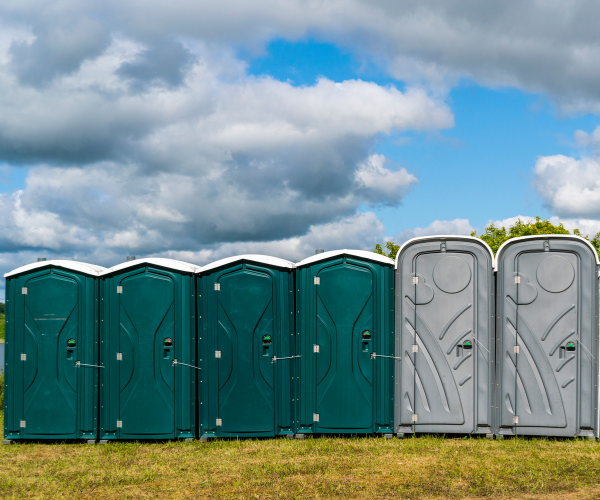
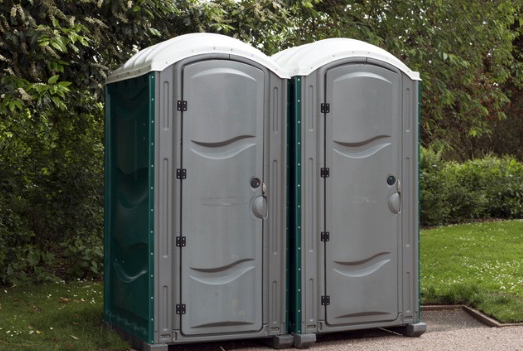
Standard Portable ToiletOur standard porta john rental units are durable and reliable for any commercial build site, housing development, public works project, or remodel job.Features include dome lighting, grated floors, and an “In-Use” locking mechanism for privacy and comfort.Regularly maintained, inspected, and cleaned by FusionSite at your location.
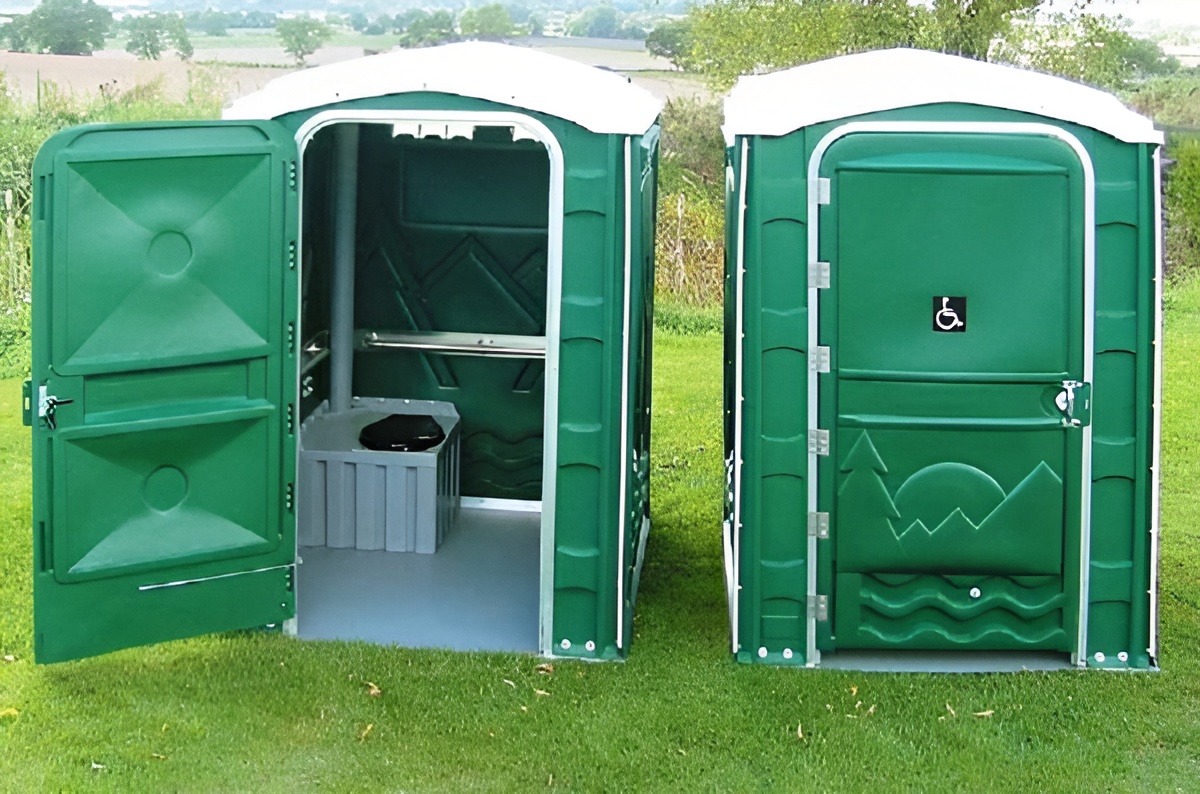
Wheelchair Accessible RestroomsDeveloped as an alternative to full ADA-compliant restrooms, the Liberty is a spacious, wheelchair-accessible unit that can also be promoted as a family-sized restroom.Includes a patented flat-floor system for easy wheelchair access and maneuverability.Handrails, paper holder, and rotary latch are designed for simple, intuitive end-user operation.
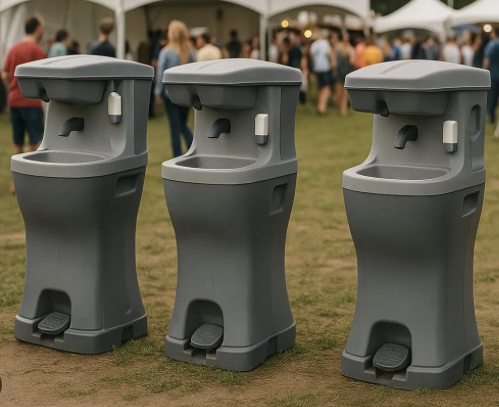
Portable SinkPortable hand washing stations are essential for keeping your work site sanitary and clean.Features hands-free foot pumps, liquid soap, and paper towels.Perfect for job sites without water hookups, these units can handle hundreds of washes between services.
We Proudly Serve
Standard Portable Toilets
Our Standard Portable Toilets combine functionality with convenience, perfect for any event in Florida.
High Rise Portable Toilets
High Rise Portable Toilets in Statenville offer seamless accessibility and hygiene in multi-level construction environments.
Restroom Trailers
Our Restroom Trailers in Statenville cater to weddings and special events, providing a luxurious restroom experience.
Roll off Dumpsters
Porta Serve in Statenville offers roll-off dumpsters to manage waste efficiently for any project size.
Septic Tank Cleaning
Septic Tank Cleaning at Porta Serve ensures optimal system function across Florida, preventing potential issues.
Grease Trap Cleaning
Grease Trap Cleaning by Porta Serve in Statenville guarantees cleaner systems and compliance with local regulations.
Fencing & Barricades
Secure your space in Florida with Porta Serve's quality Fencing & Barricades services, offering reliable safety solutions.
Residential Storage
Our Residential Storage solutions in Statenville offer secure and accessible options for personal storage needs.
Statenville Event and Construction Rentals
Getting a quote and scheduling delivery for a portable toilet in Statenville is easy and convenient. Our dedicated service ensures a seamless process—from your initial inquiry to the final setup at your location. Start by filling out the simple form at the top or bottom of our webpage, which gathers your basic contact information. Once you submit it, our team responds promptly with a detailed quote tailored to your specific needs. We emphasize clear communication and remain available to address any questions. With transparent pricing and flexible delivery schedules, you can plan any event or project with confidence, knowing our reliable services are just a click away. Enjoy the peace of mind that comes from knowing your guests or workforce will have access to high-quality restroom facilities, perfectly suited for any occasion in or near Statenville.
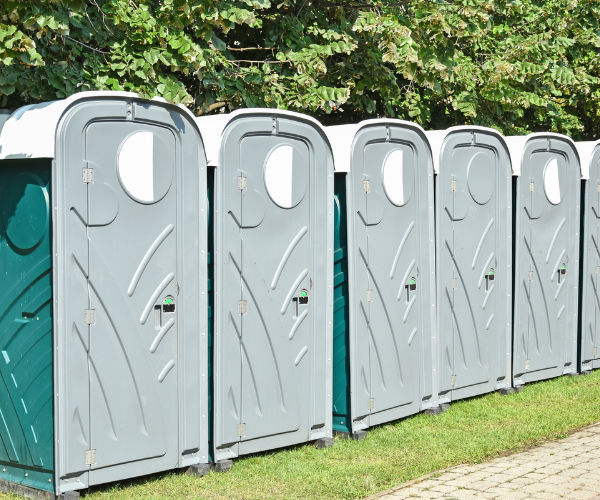
Enhance Outdoor Events in Statenville Our portable toilets are essential for maximizing the enjoyment of outdoor attractions and events around Statenville. Whether you're organizing a local festival or hosting a nature-inspired gathering near Echols County Park, our services ensure that hygiene standards are maintained, contributing to an unforgettable experience. Community-Centric Services Incorporating local charm and community needs into our service model, we pride ourselves on being the go-to provider for portable toilets in Statenville. Our commitment to quality and convenience makes us a favorite among those looking for reliability and excellence in sanitation solutions, especially during popular times like the annual Georgia-Florida Corn Boilin' Festival. Perfect for Nature Proximity Thanks to our proximity to beautiful natural areas, such as the Suwannee River, our portable toilet services cater perfectly to outdoor events and adventures, offering the best in comfort and utility. Make your next outing worry-free with our excellent portable sanitation solutions.
Your Top Choice in StatenvilleWe pride ourselves on being the unrivaled choice for portable toilet services in Statenville. Our local expertise and dedicated customer service make us the preferred partner for any event or project.Unmatched Quality and ServiceDedicated to maintaining the highest quality standards, our clean and reliable units provide guests with superior comfort. Choose us for consistently excellent service.Explore why our portable toilets are the top choice in the area by partnering with a company that values community ties and exceptional performance.
Speed in Service DeliveryOur company excels in providing swift and dependable portable toilet services across Statenville. Whether for an urgent situation or a planned event, we guarantee prompt delivery without sacrificing quality.Commitment to ReliabilityTrust in our services brings peace of mind, as we manage logistics with precision and professionalism. Experience the ease of quick setups and efficient service.From your initial contact with us, we focus on your needs and consistently exceed expectations, ensuring your satisfaction at every stage.
Statenville Portable Toilet Insights
Renting a portable toilet in Statenville is a seamless process designed to deliver convenience and efficiency. Start by visiting our website, where you will find forms located at both the top and bottom of the page that guide you through the rental process. Our user-friendly Get A Quote feature is strategically placed throughout the site for easy access, encouraging you to initiate the service with just a click. These forms require minimal information: provide your first name, last name, phone number, and email, streamlining the process while ensuring we have all the necessary details to offer a personalized service. As soon as you submit your request, our team quickly reviews the information and gets back to you with a comprehensive quote. Our aim is to provide you with all the resources you need for a successful rental experience, complete with any accessories or additional support required for your event or project. With our emphasis on transparency and excellent customer support, you can rest assured that your portable toilet needs in Statenville will be managed with professionalism and care.
The delivery timeframe for portable toilet orders can vary depending on several factors, but our commitment is to provide efficient and timely service tailored to your schedule. Typically, standard deliveries are fulfilled within 24 to 48 hours from the time of order confirmation, ensuring you receive well-maintained units when needed for both planned events and unexpected requirements. We consistently emphasize the importance of punctuality and reliability, reflecting our dedication to customer satisfaction. Our service pipeline is streamlined, guaranteeing rapid response times and accommodating urgent situations without compromising quality. For larger or more complex setups, which may require additional arrangements in terms of logistics and additional services, we work closely with you to establish a timeline that aligns perfectly with your planning and coordination demands. As part of our service commitment, we always aim to exceed expectations, turning your portable toilet solutions into seamless experiences. With flexible scheduling and real-time communication, we ensure that delivery aligns harmoniously with your event schedule or project timeline, providing peace of mind and focus on your immediate priorities without worry.
Yes, we can service any type of event or construction services, offering versatile solutions that adapt to a wide range of needs. Our service portfolio encompasses a broad array of equipment including portable toilets, luxury restroom trailers, roll-off dumpsters, fencing and barricades, ADA compliant units, portable sinks, and hand sanitizer stations to seamlessly accommodate diverse event profiles and construction necessities. From lively festivals and thrilling sporting events to elegant weddings and intimate family reunions, our offerings are designed to enhance every occasion with convenient and reliable sanitation options. Understanding the unique demands of different settings, we commit to delivering tailored and optimal solutions that exhibit both professionalism and flexibility. Our service prowess extends to corporate events and any special gatherings you envisage, reinforcing our capability to handle complex logistical requirements, embodying a standard of excellence. Choose us for your next event or project and experience top-tier service aligned to meet and exceed your expectations, regardless of scale or specificity.