Portable toilets present several eco-friendly advantages that cater to both immediate and long-term environmental benefits. First, they significantly conserve water compared to traditional toilets, as they require very little water for operation, utilizing recycled solutions to break down waste efficiently. This conservation directly contributes to the preservation of water resources, which is crucial in reducing the ecological footprint of sanitation. Furthermore, portable toilets in modern designs include advanced waste treatment processes that minimize pollution. The specialized chemicals used in waste management efficiently break down materials, reducing overall waste output and preventing contamination to local ecosystems. Due to their mobility, these units are perfect for events set in natural settings where permanent infrastructure might cause environmental disturbances. Additionally, because they are temporary and transportable, portable toilets allow for the sustainable management of waste in diverse locations without the need for extensive construction and plumbing systems, sparing the local landscapes of potential damage. The units themselves are designed to be durable and recyclable, lowering the impact of waste accumulation once the units are decommissioned. In combining all these factors, portable toilets present as a sustainable choice that aligns with ecological values, offering sanitary solutions that safeguard the environment for both current and future generations.
Portable Toilet Rentals in Pasco County, Florida
Call today for a free quote (352) 660-8775
Portable Toilet
Fast, Easy, & 100% Free To Get Started
Over 20 Years of Experience
For over 20 years, we have proudly served Pasco County, fostering deep community ties with a commitment to quality. Our dedication ensures that every customer experiences dependable service tailored to local needs.
Exceptional Quality Service
Our commitment to quality service is unwavering, ensuring every client receives meticulous attention and the highest standards in portable sanitation. We prioritize customer satisfaction through reliable and personalized solutions.
Prompt, Efficient Delivery
We guarantee quick delivery of our portable toilets, ensuring minimal waiting time for our clients. Our streamlined process is designed for efficiency, allowing you to focus on your event without any logistical concerns.
Reliable Portable Toilet Solutions in Pasco County
Call for a Free Quote Today
(352) 660-8775
With a firm commitment to excellence and service, our portable toilet company ensures that Pasco County and its surrounding areas receive top-notch sanitation solutions. As a locally owned business, we pride ourselves on reliability and exceptional service delivery for a wide range of events, including construction sites, parties, weddings, and festivals. Our units are well-maintained and designed to provide comfort, cleanliness, and convenience. We believe in building trust with our clients through transparency and by meeting all your sanitation needs promptly. Whether you're organizing an event or managing a construction project, our portable toilets offer the perfect solution. Experience our dedication, backed by a solid reputation in the local community, for yourself.
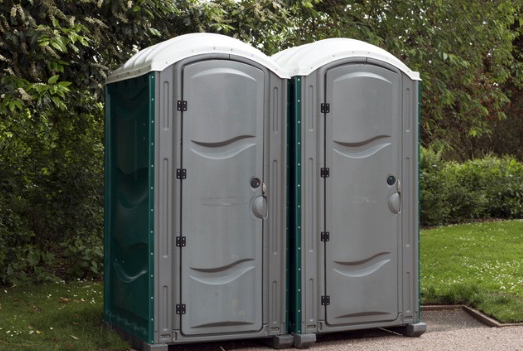
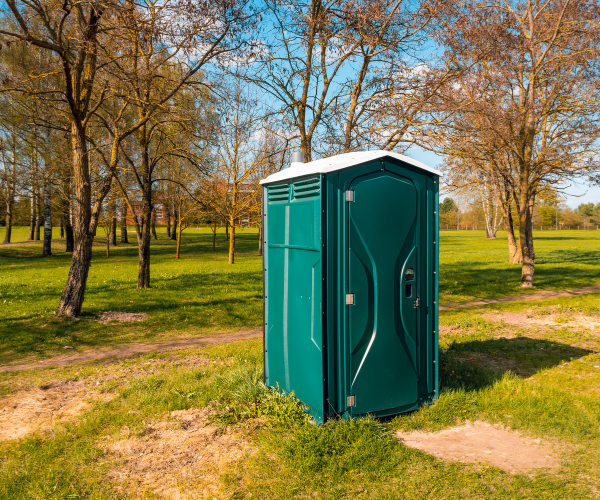
Standard Portable ToiletOur standard porta john rental units are durable and reliable for any commercial build site, housing development, public works project, or remodel job.Features include dome lighting, grated floors, and an “In-Use” locking mechanism for privacy and comfort.Regularly maintained, inspected, and cleaned by FusionSite at your location.
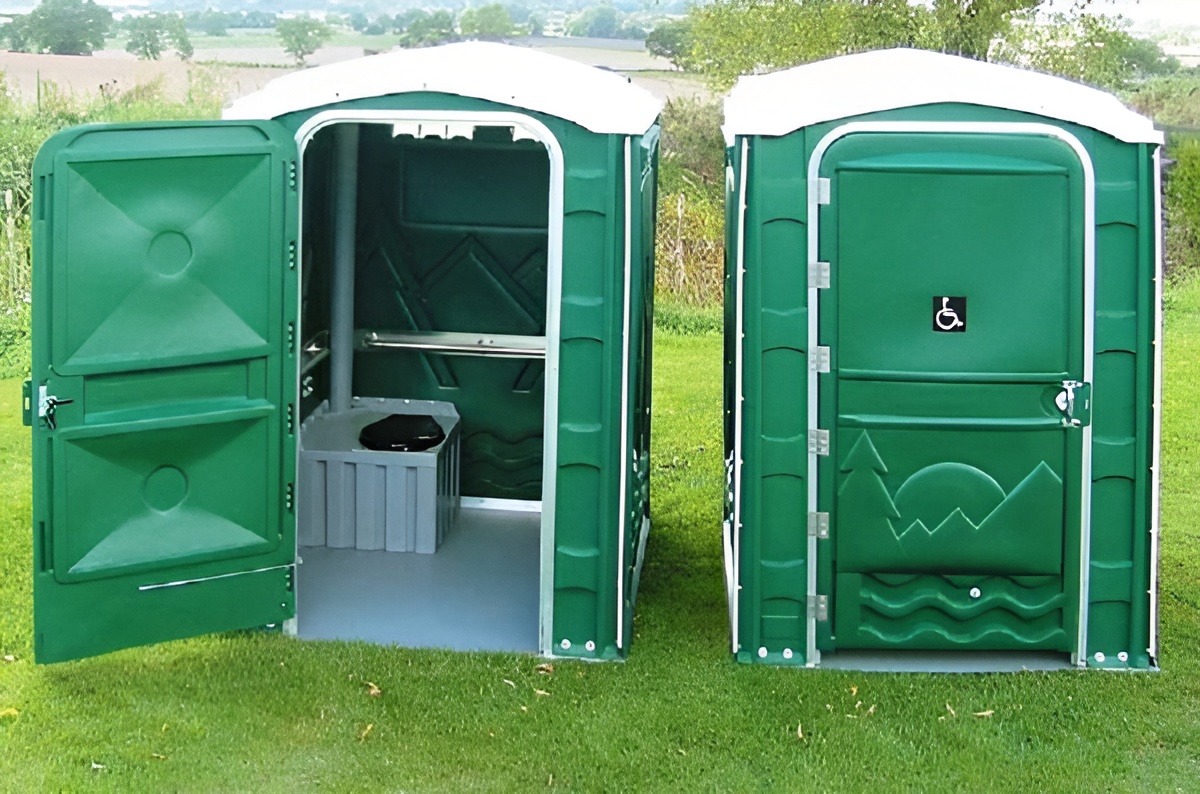
Wheelchair Accessible RestroomsDeveloped as an alternative to full ADA-compliant restrooms, the Liberty is a spacious, wheelchair-accessible unit that can also be promoted as a family-sized restroom.Includes a patented flat-floor system for easy wheelchair access and maneuverability.Handrails, paper holder, and rotary latch are designed for simple, intuitive end-user operation.
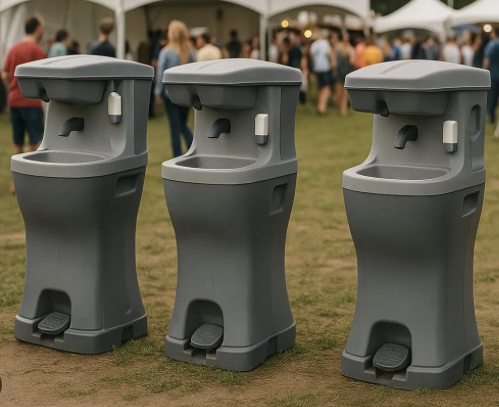
Portable SinkPortable hand washing stations are essential for keeping your work site sanitary and clean.Features hands-free foot pumps, liquid soap, and paper towels.Perfect for job sites without water hookups, these units can handle hundreds of washes between services.
We Proudly Serve
Standard Portable Toilets
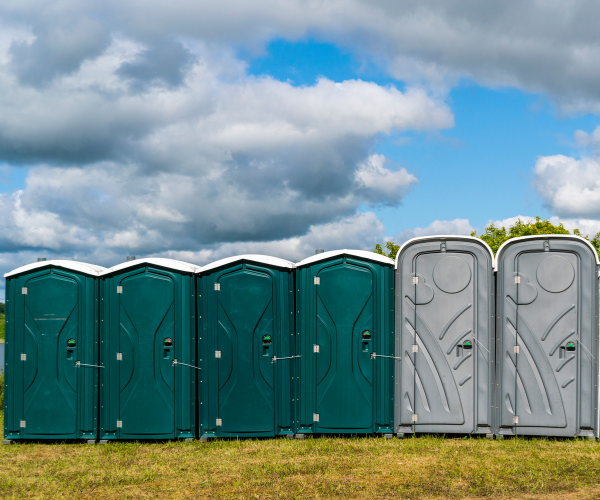
Our standard portable toilets offer affordable and reliable sanitation solutions for any event or project across Florida.
High Rise Portable Toilets
High Rise Portable Toilets are designed to provide essential sanitation services for multi-level constructions in Pasco County.
Restroom Trailers
Our restroom trailers at Porta Serve combine luxury and convenience for events in Pasco County.
Roll off Dumpsters
Porta Serve offers roll-off dumpsters in Pasco County for efficient waste management on construction sites and large events.
Septic Tank Cleaning
Septic tank cleaning services by Porta Serve ensure sanitary conditions for homes and businesses throughout Florida.
Grease Trap Cleaning
Our grease trap cleaning services in Pasco County maintain optimal functionality for your restaurant's waste systems.
Fencing & Barricades
Porta Serve provides durable fencing and barricades for secure and organized event management in Florida.
Residential Storage
Offering secure residential storage solutions, Porta Serve ensures peace of mind for Florida residents in Pasco County.
Pasco County Sanitation Services
Obtaining a quote and scheduling delivery for our portable toilets is straightforward and hassle-free, ensuring a seamless experience from inquiry to fulfillment. To get started, visit our website's dedicated inquiry section, where you'll find a simple form at both the top and bottom of the page. Complete your details, including your first name, last name, phone number, and email, and hit the submit button for a prompt response. Alternatively, our 'Get A Quote' buttons scattered throughout each page are a click away, streamlining your journey to exceptional sanitation solutions. Our dedicated customer service team is on hand to guide you through the process, ensuring every aspect, from quote generation to delivery scheduling, is handled efficiently. We pride ourselves on a quick turnaround, with delivery options tailored to meet your specific timeline needs. For any inquiries or assistance during the booking process, our knowledgeable staff is readily available to offer support, ensuring your experience is as convenient as possible. Choose us for a reliable partner in sanitation services, where quality meets convenience in every interaction, providing peace of mind for your event or project.
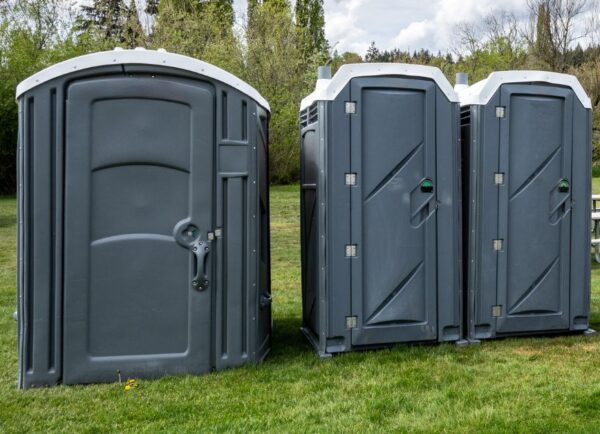
In Pasco County, our portable toilet service stands out by embracing the unique local charm and vibrant community spirit. Whether it's at the annual Pasco County Fair or during a lively event at Jay B. Starkey Wilderness Park, our services ensure a pristine, reliable sanitation experience. Our innovative solutions cater to a diverse range of events and outdoor activities, enhancing guest comfort with our clean and well-maintained units. Our dedication to providing swift, efficient service means clients can focus on what's important—hosting successful, memorable events. Choosing our portable toilet services reflects a commitment to quality and convenience, paired with a deep-seated appreciation for Pasco County's picturesque settings and lively atmosphere. Trust us to deliver a high standard of sanitation services that align perfectly with your requirements.
Our company is unrivaled in Pasco County for portable toilet solutions, a testament to our passionate commitment to service excellence. We prioritize every client's needs, offering prompt, reliable service built on years of local expertise and an intrinsic understanding of community values. Our thorough and thoughtful approach ensures every event we cater to is enhanced by the cleanliness and practicality of our units. For whatever the occasion, we set the standard in portable sanitation, proving why we are the top choice in the community.
We excel in delivering prompt, reliable portable toilet services tailored to meet the diverse needs of Pasco County. Our strategic delivery system ensures timely arrival, minimizing disruptions and allowing event organizers to focus on other vital elements of their occasion. Our steadfast commitment to efficient service configuration means clients enjoy seamless transactions and immediate assistance, guaranteeing a stress-free experience from start to finish. Trust our expertise for a fast and dependable sanitation solution, perfectly aligned with your event's requirements.
Discover Our Pasco County Portable Toilet
Renting a portable toilet in Pasco County is straightforward and designed to ensure ease and efficiency. To start, simply visit our website where you will find rental forms located conveniently at the top and bottom of various pages. These forms require basic information such as your first and last name, phone number, and email address to initiate the process. Once your details are submitted via these forms, our responsive representative team will promptly reach out to you to discuss your specific needs and arrange suitable options. Additionally, the site features numerous 'Get A Quote' buttons dispersed throughout, allowing you immediate access to initiate a request at any stage of your browsing. This approach ensures that assistance is never more than a click away, providing support at every step of your rental journey. Our streamlined procedure emphasizes client convenience, aiming for a seamless transition from inquiry to delivery. With this efficient process, renting a portable toilet in Pasco County fits easily into your plans, guaranteeing a fully supported service experience.
The typical delivery timeframe for portable toilet orders is efficiently managed to meet customer timelines and event schedules. Once an order is placed, we prioritize prompt service, often ensuring delivery within 24 to 48 hours for standard requests, although specific event needs or distant locations may vary slightly. Our robust logistics framework enables us to maintain this swift schedule by leveraging local distribution networks and coordinating effectively with field staff. Each portable toilet unit is prepared in advance, ensuring cleanliness and operational readiness prior to dispatch. For peak times when demand might influence delivery schedules, we offer transparent communication to keep clients informed of any potential delays, providing proactive solutions to accommodate their needs. Our commitment remains focused on delivering excellent service without compromising on quality or timelines, aiming for punctuality as a standard practice. Whether for an urgent event or a planned project, our dedication to timely delivery instills confidence in our clientele, showcasing our reliability in the prompt provision of top-tier sanitation solutions.
Yes, we are fully equipped and prepared to service an extensive range of events and construction services, ensuring comprehensive sanitation solutions across various occasions. Our versatile selections cater to festivals, sporting events, and a wide array of special gatherings such as weddings, corporate functions, and family reunions. To accommodate different needs, we offer luxury restroom trailers, standard porta potties, and even roll-off dumpsters for efficient waste management. Our portfolio also includes robust options like fencing and barricade setups, ADA-compliant units, portable sinks, and hand sanitizer stations. This broad scope of services ensures that no matter the event size or specific requirements, we deliver outstanding and tailored sanitation solutions. Our goal is to provide peace of mind, allowing event planners and construction managers to focus on the more pivotal aspects of their projects, assured that sanitation under our expertise is well-handled and in excellent condition.