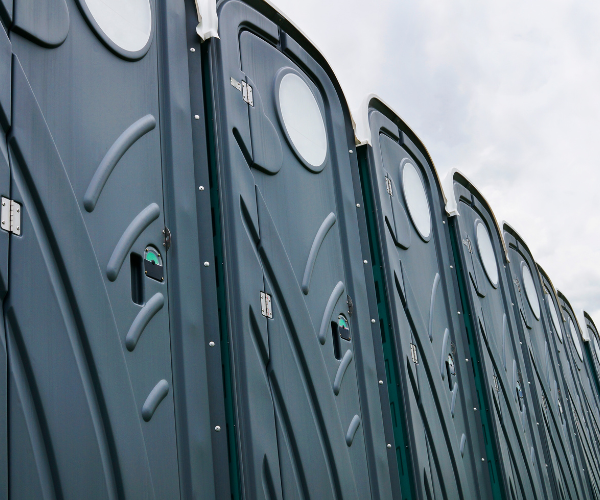
Using portable toilets offers multiple eco-friendly advantages that significantly benefit both users and the environment. These sanitation solutions are designed to minimize water usage, as they require substantially less water than traditional toilets. A typical portable toilet flush uses only a fraction of the water needed by regular restrooms, conserving a vital natural resource. This efficiency is crucial in areas facing water scarcity or during events where water resources are limited. Furthermore, portable toilets contribute to healthier surroundings by effectively containing waste, which reduces the likelihood of contamination and the spread of diseases at events or construction sites. State-of-the-art waste management processes ensure that waste is handled properly and disposed of in an environmentally safe manner, often transformed into useful by-products such as fertilizers. The minimized environmental footprint is augmented by the use of biodegradable and eco-friendly cleaning agents that help maintain sanitation and hygiene without introducing harmful chemicals into the ecosystem. Additionally, the materials used to construct portable toilets are often recyclable or made from recycled content, which reduces landfill waste and promotes a sustainable life cycle for these units. Choosing portable toilets for events, construction sites, or recreational areas highlights a commitment to environmental stewardship, indicating that event organizers or site managers value eco-responsibility while ensuring high public hygiene standards. The move towards eco-conscious event planning is gaining momentum, with portable toilets playing a pivotal role in reducing overall environmental impact and setting a standard for future endeavors.
Portable Toilet Rentals in Keystone Heights, Florida
Call today for a free quote (352) 660-8775
Portable Toilet
Fast, Easy, & 100% Free To Get Started
Over 10 Years of Experience
With over a decade of industry experience, Porta Serve has established deep-rooted connections with the Keystone Heights community. Our unwavering dedication to quality and customer satisfaction has set us apart as a trusted name in portable toilet rentals.
Unmatched Quality Service
Porta Serve provides top-quality portable toilet services that exceed expectations. Our commitment to cleanliness and maintenance ensures a sanitary experience every time.
Prompt and Efficient Delivery
At Porta Serve, we promise prompt delivery to match your event schedule, ensuring portable toilets reach you in time and fully prepared. Our streamlined operations and local expertise make it possible.
Convenient Portable Toilets in Keystone Heights
Call for a Free Quote Today
(352) 660-8775
At Porta Serve in Keystone Heights, Florida, we take pride in delivering dependable and reliable portable toilet services. As a locally owned business, our focus is on serving the community with unmatched professionalism. Whether you’re planning a construction project, hosting a lively party, organizing a bustling festival, or arranging an elegant wedding, we provide portable sanitation solutions tailored precisely to your needs. Keystone Heights and its surrounding areas rely on us for our clean, high-quality units and exceptional customer service. Our commitment to reliability ensures prompt deliveries and hassle-free pickups, allowing your event or project to proceed seamlessly. Trust Porta Serve for all your portable toilet needs.
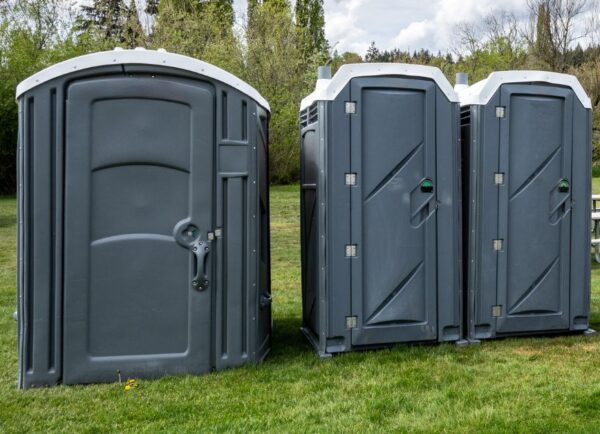
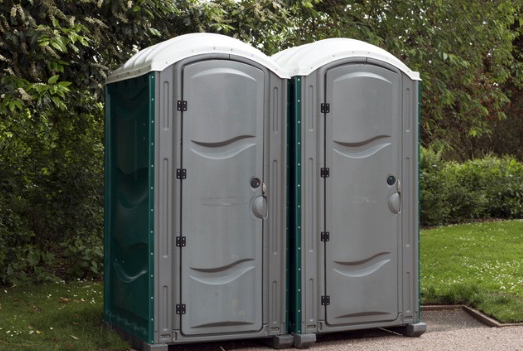
Standard Portable ToiletOur standard porta john rental units are durable and reliable for any commercial build site, housing development, public works project, or remodel job.Features include dome lighting, grated floors, and an “In-Use” locking mechanism for privacy and comfort.Regularly maintained, inspected, and cleaned by FusionSite at your location.
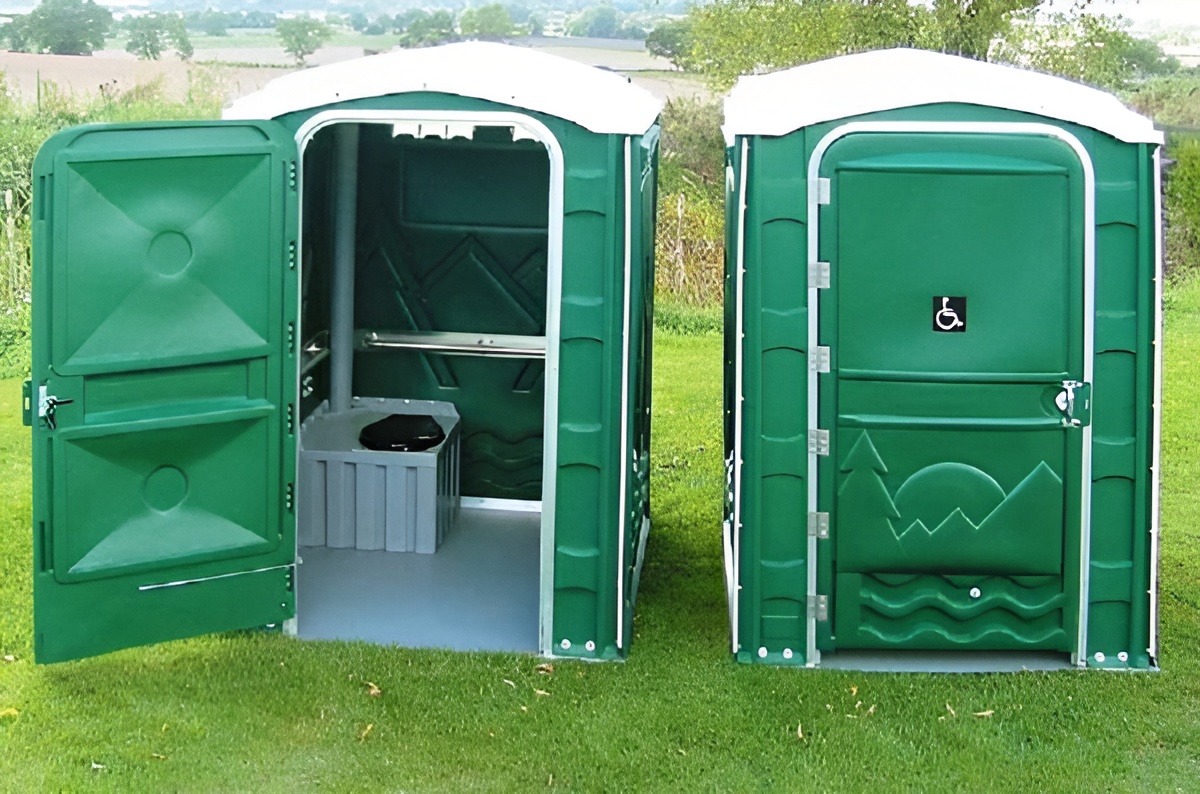
Wheelchair Accessible RestroomsDeveloped as an alternative to full ADA-compliant restrooms, the Liberty is a spacious, wheelchair-accessible unit that can also be promoted as a family-sized restroom.Includes a patented flat-floor system for easy wheelchair access and maneuverability.Handrails, paper holder, and rotary latch are designed for simple, intuitive end-user operation.
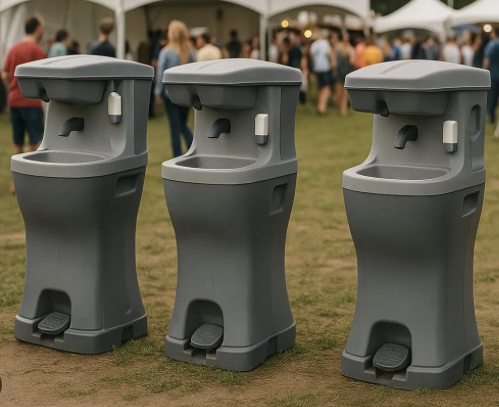
Portable SinkPortable hand washing stations are essential for keeping your work site sanitary and clean.Features hands-free foot pumps, liquid soap, and paper towels.Perfect for job sites without water hookups, these units can handle hundreds of washes between services.
We Proudly Serve
Standard Portable Toilets
Our Standard Portable Toilets offer clean and convenient facilities for any event in Florida.
High Rise Portable Toilets
High Rise Portable Toilets available for construction sites and tall building projects in Keystone Heights.
Restroom Trailers
Experience luxury with our Restroom Trailers, perfect for upscale events in Keystone Heights.
Roll off Dumpsters
Porta Serve provides reliable Roll off Dumpsters for efficient waste management at your site.
Septic Tank Cleaning
Professional Septic Tank Cleaning services ensure your systems run smoothly in Florida.
Grease Trap Cleaning
Our Grease Trap Cleaning services in Keystone Heights keep your facilities in top condition.
Fencing & Barricades
Secure your perimeter with our Fencing & Barricades service at Porta Serve in Florida.
Residential Storage
Keep your belongings safe with Residential Storage solutions in Keystone Heights, Florida.
Keystone Heights Portable Toilet & Sanitation Services
Getting a quote and scheduling delivery of a portable toilet from Porta Serve is a seamless and straightforward process designed with your convenience in mind. Whether you're planning a large event, managing a construction site, or coordinating a community gathering, our user-friendly system ensures that you receive accurate and timely quotes without any hassle. By clicking on our prominently placed 'Get A Quote' buttons on our website, you can instantly access our quote request form. This form requires just a few essentials—your first and last name, phone number, and email address—to initiate the process. Our dedicated team then swiftly works to provide you with a competitive quote tailored to your specific requirements. The efficiency continues with our delivery service, renowned for its punctuality and reliability. We understand that timing is critical, especially during event preparation or construction projects, and we are committed to meeting deadlines as promised. Our comprehensive logistics ensure that each portable toilet is delivered in excellent condition and set up correctly at your desired location. This streamlined approach not only enhances customer satisfaction but also underscores our mission to provide consistent, high-quality service every step of the way.
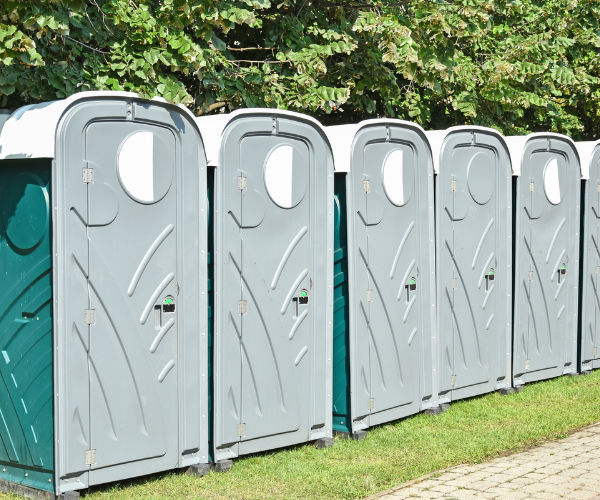
Keystone Heights is a charming town known for its local appeal, outdoor attractions, and vibrant community events, making it an ideal location for providing portable toilet services. Nestled near the scenic shores of Lake Geneva and not far from the excitement of the annual Our Country Day festivities, our products are perfect for accommodating guests at any occasion, offering convenience and cleanliness in every setting. Our Portable Toilet services enhance the experience of outdoor gatherings, ensuring your event runs smoothly without sanitation concerns. Whether at Lake Geneva or during bustling community celebrations like those on the Fourth of July, our units offer reliability and comfort. Choosing Porta Serve means choosing a service that values local charm and supports community events with excellence. Our commitment to quality and proximity to nature showcases our toilets as the best choice for any gathering.
For portable toilet services, Porta Serve stands as the top choice in Keystone Heights, Florida. Our deep-rooted connections in the community and dedication to quality make us the preferred provider for every event. We deliver unparalleled service with a personal touch, embodying the warmth and hospitality distinctive to Keystone Heights.Our vast experience and focus on customer satisfaction ensure clean, dependable, and efficient solutions for every requirement. This steadfast commitment has cemented our reputation as the trusted local experts. Our competitive pricing and outstanding customer care underscore why we excel in porta potty rentals in the area.
Porta Serve delivers prompt and dependable portable toilet services in Keystone Heights and the surrounding areas. Our rapid response times ensure complete and swift fulfillment of your sanitation requirements from start to finish.Rely on our efficient delivery system and dedicated team for timely setup and smooth service, reducing any potential interruptions to your plans. We are committed to providing reliable solutions for every event, maintaining a standard of excellence.
Explore Our Portable Toilet Services in Keystone Heights
Renting a portable toilet in Keystone Heights with Porta Serve is a straightforward process tailored for convenience. Begin by visiting our user-friendly website, where you will find the 'Get A Quote' buttons placed prominently on every page, designed to facilitate easy access. These buttons direct you to fill out a simple form, which requires your first name, last name, phone number, and email address. Submitting this information allows our team to assess your needs and provide a detailed quote promptly. Our dedicated staff is available to assist with any queries or concerns you might have during the decision-making process. We strive to offer competitive pricing and customizable options to suit the specifics of your event or construction project. Customers can be assured of industry-leading service standards coupled with the flexibility of delivery and pickup schedules that work around your timing. This approach reduces hassle, streamlines planning, and ensures that your sanitation needs are met efficiently, allowing you to focus on the event proceedings or project requirements. Even after securing your rental, Porta Serve provides continued support throughout the duration of service to address any issues that may arise, ensuring an uninterrupted and satisfactory experience.
The delivery timeframe for portable toilet orders varies based on several factors, including location, order volume, and specific requirements of the rental. However, at Porta Serve, we pride ourselves on a streamlined process that ensures timely deliveries. Our standard practice involves confirming your order and arranging delivery within a 24 to 48-hour window, allowing us to accommodate both planned events and last-minute needs effectively. For large events or special conditions, we recommend contacting our service team well in advance to discuss specific arrangements and ensure that your sanitation facilities are in place when needed. Our team works diligently to adhere to scheduled delivery times, and customers will receive notifications to keep them informed of the progress every step of the way. Upon delivery, our experienced staff will also handle the setup of the units to ensure they are positioned correctly and ready for use. We acknowledge the critical role of punctuality in contributing to the overall success of your event or project. Therefore, our operations are designed to focus on efficient logistics and adaptability, providing a dependable service experience that you can rely on for all your portable sanitation needs.
Yes, we are equipped to service all types of events and construction projects with our comprehensive range of products. Whether you're organizing a bustling festival, a major sporting event, or a more intimate gathering such as a wedding or family reunion, we have tailored solutions to meet the specific needs of your occasion. Our offerings include luxury restroom trailers that provide a top-tier experience, standard porta potties for practical needs, and roll-off dumpsters to handle waste effectively. For construction sites, we provide other essentials like fencing, barricades, holding tanks, and ADA-compliant units. Furthermore, we offer amenities such as portable sinks and hand sanitizer stations, ensuring hygiene and convenience for your guests or workers. Our adaptable approach allows us to provide high-quality services regardless of the size or nature of your event, with a consistent focus on customer satisfaction and efficiency.