Portable toilets offer several eco-friendly advantages that make them a sustainable choice for sanitation needs. Firstly, they use significantly less water compared to traditional flush toilets. This conservation of water is crucial, as it reduces the strain on local water supplies, especially in areas prone to drought. Additionally, the waste from portable toilets can be easily collected and treated at central facilities, ensuring that it does not contaminate local water sources. This controlled waste management helps to minimize the environmental impact compared to unconfined waste disposal methods. Secondly, many portable toilets utilize eco-friendly chemicals in their operation. These chemicals help to break down waste and control odors without harming the environment, as they are designed to be biodegradable and non-toxic. This contrasts with the harsh chemicals sometimes used in traditional sanitation systems, making portable toilets the more environmentally conscious choice. Moreover, the materials used in constructing portable toilets are often recyclable, which further reduces their environmental footprint. The plastic walls, floors, and roofs can be recycled after their useful life, contributing to a reduction in landfill waste. Lastly, by providing a convenient sanitation option at outdoor events or construction sites, portable toilets help to prevent the spread of disease and contamination. When people do not have proper access to sanitation, they may resort to improper disposal methods, which can lead to environmental and health hazards. Portable toilets mitigate this risk by offering a safe, clean space for sanitation, protecting both people and nature.Choosing portable toilets supports sustainable event planning and ensures that your environmental impact is minimized, demonstrating a commitment to environmental stewardship and responsibility.
Portable Toilet Rentals in Inverness, Florida
Call today for a free quote (352) 660-8775
Portable Toilet
Fast, Easy, & 100% Free To Get Started
Over 20 Years of Experience
For over 20 years, our portable toilet company has been a trusted fixture in Inverness, offering high-quality services with a focus on community engagement. We pride ourselves on our deep local ties and our unwavering commitment to delivering excellence to our clients.
Commitment to Quality
Our commitment to quality is evident in every aspect of our service, from the cleanliness and durability of our units to the professionalism of our staff. Choose us for dependable and superior portable toilet solutions.
Rapid Delivery Service
We recognize the critical importance of delivering prompt service to our clients. Our rapid delivery system ensures your Portable Toilet needs are fulfilled efficiently and on time, elevating the overall experience for any event.
Reliable Portable Toilet Solutions in Inverness
Call for a Free Quote Today
(352) 660-8775
Based in the heart of Inverness, Florida, our portable toilet rental company is dedicated to providing top-notch sanitation solutions for all occasions. As a locally owned and operated business, we pride ourselves on our commitment to dependability and reliability. Our professionally maintained portable toilets are perfect for various events, from bustling construction sites to intimate weddings, lively parties, and grand festivals. Our services extend beyond Inverness, reaching nearby communities, so your portable sanitation needs are always covered. Choose us for our exceptional customer service and responsiveness, which ensures a seamless and hassle-free rental experience. Join countless satisfied clients who trust us to deliver quality and convenience every time.
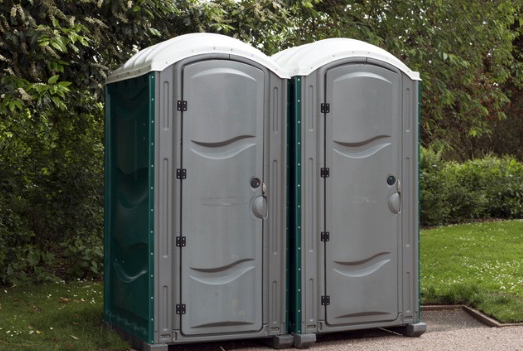
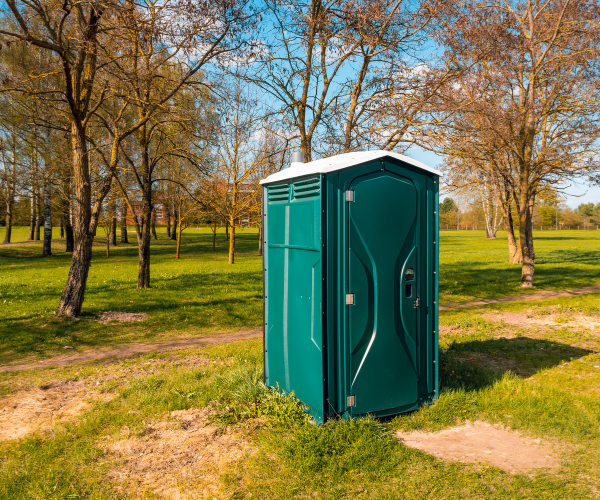
Standard Portable ToiletOur standard porta john rental units are durable and reliable for any commercial build site, housing development, public works project, or remodel job.Features include dome lighting, grated floors, and an “In-Use” locking mechanism for privacy and comfort.Regularly maintained, inspected, and cleaned by FusionSite at your location.
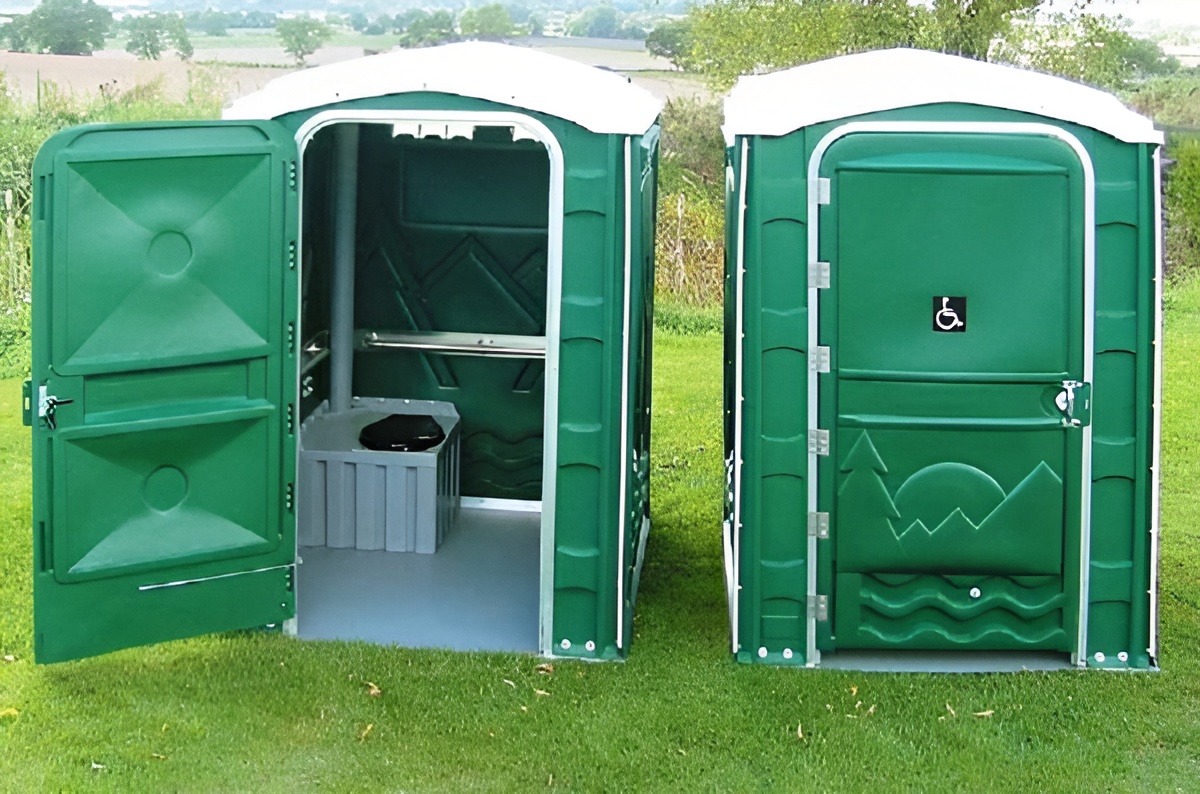
Wheelchair Accessible RestroomsDeveloped as an alternative to full ADA-compliant restrooms, the Liberty is a spacious, wheelchair-accessible unit that can also be promoted as a family-sized restroom.Includes a patented flat-floor system for easy wheelchair access and maneuverability.Handrails, paper holder, and rotary latch are designed for simple, intuitive end-user operation.
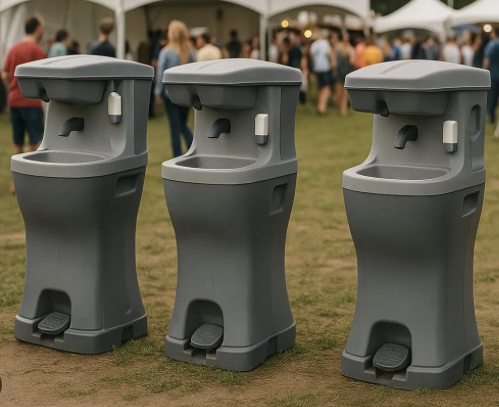
Portable SinkPortable hand washing stations are essential for keeping your work site sanitary and clean.Features hands-free foot pumps, liquid soap, and paper towels.Perfect for job sites without water hookups, these units can handle hundreds of washes between services.
We Proudly Serve
Standard Portable Toilets
Our standard portable toilets are perfect for events and construction sites, offering clean and functional facilities within Florida.
High Rise Portable Toilets
Our high-rise portable toilets cater to elevated terrains in Florida, Inverness, ensuring easy access and sanitation.
Restroom Trailers
Experience luxury with our restroom trailers at Inverness, providing upscale alternatives for Porta Serve.
Roll off Dumpsters
Our roll-off dumpsters offer convenient waste management solutions in Inverness with Porta Serve.
Septic Tank Cleaning
Keep your systems in optimal condition with our septic tank cleaning services across Florida, Porta Serve.
Grease Trap Cleaning
Our expert grease trap cleaning service in Inverness, Florida ensures optimal sanitation and efficiency.
Fencing & Barricades
Secure your site in Florida with our fencing and barricades service, expertly managed by Porta Serve.
Residential Storage
Discover our residential storage options in Inverness, Florida, perfect for your Porta Serve needs.
Inverness Portable Toilet Services
Securing a quote and arranging delivery for our portable toilets is straightforward and efficient. Visit our website and click the 'Get A Quote' button located throughout the page to get started. The process involves filling out a short form, located conveniently at the top and bottom of the website. We require essential contact details such as first name, last name, phone number, and email, which ensures a swift response from our team. Our system is designed to keep things simple and user-friendly, ensuring you get the best service with minimal effort. Once the form is submitted, our team will promptly review your request, providing you with a comprehensive quote tailored to your specific needs. This ensures that you receive not only the best pricing but also options that fit the scale and requirements of your event, whether it's a single unit or multiple units for a large-scale occasion.

Inverness, known for its charming landscapes and inviting community, offers the perfect backdrop for events of all kinds, and our portable toilet services seamlessly complement any occasion. Whether it's the Great Inverness Festival of the Arts, an outdoor concert at Liberty Park, or a family gathering, our clean, reliable, and well-maintained units ensure that your guests enjoy a comfortable experience. Beyond the practicality of our services, we embrace the local spirit by supporting community events and staying in tune with the region's unique needs. Our portable toilets are not just about convenience; they are about enhancing the overall enjoyment of your event. Choose us during your next Inverness occasion for unparalleled service and true local dedication.
Choosing our company for your Portable Toilet needs in Inverness means accessing exceptional service and local expertise. We know this community well and apply that insight to each event, ensuring smooth execution and delighted customers. Our dedicated team delivers top-tier cleanliness and efficiency, underscoring our commitment to outstanding service. Ensure your next event proceeds without a hitch by partnering with the leaders in portable sanitation solutions.
Our fast, reliable portable toilet services are designed to meet the demands of any event or construction site in Inverness. With a dedicated fleet ready for expedient delivery, you can trust that your sanitation needs will be handled with professionalism and precision. Our logistics team works tirelessly to coordinate timely deliveries and pick-ups, ensuring you're never left waiting. For dependable and prompt service, our expertise is just a call away.
Discover Our Portable Toilet Solutions for Inverness
Renting a portable toilet in Inverness is a straightforward and user-friendly process. To start, you can use the 'Get A Quote' buttons distributed throughout our website. These buttons will direct you to a simple online form where you provide your first name, last name, phone number, and email address. These details enable us to contact you with further information, ensuring that you receive a prompt response tailored to your specific needs. The form is designed to be as clear and concise as possible, minimizing the time and effort required on your part. Once submitted, our team promptly reviews your request and contacts you with a competitive quote. This quote not only reflects the best market rates but is also customized based on the scale and nature of your event, ensuring you only pay for what is necessary. Moreover, our customer service team remains available to assist with any questions you may have, whether regarding the variety of units we offer or the logistics of delivery and maintenance. Our simple, direct approach to renting a portable toilet ensures you experience convenience and efficiency at every step. Additionally, should you need further assistance, detailed instructions and contact information are available on our website, allowing for a seamless rental experience.
Understanding the urgency of sanitation needs, we strive to offer a delivery service that is both prompt and dependable. Typically, the delivery timeframe for portable toilet orders varies based on factors such as order size, location, and current demand. However, we generally manage to fulfill standard orders within 24 to 48 hours. In situations where orders require immediate attention or are particularly large, we encourage reaching out to our customer service team. Our team is equipped to provide accurate time estimates and coordinate effectively to meet tight schedules while ensuring service excellence. We leverage a fleet of delivery vehicles and trained staff to ensure on-time performance. Additionally, same-day delivery options may be available for urgent requests, depending on stock availability and delivery logistics. Our commitment to customer satisfaction means we maintain transparent communication throughout the process, updating you on the scheduled timings and promptly addressing any issues that may arise. In Inverness and surrounding areas, our strong local presence allows us to adapt quickly to unforeseen challenges, ensuring a reliable delivery process that aligns with your event or project timelines.
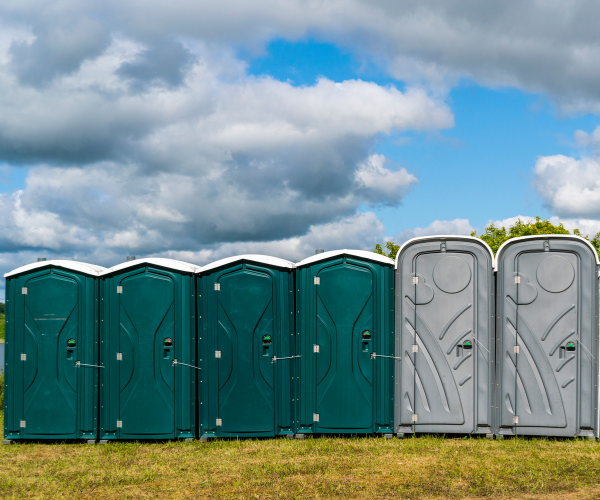
Yes, we can service any type of event or construction site with our versatile range of facilities and units. Our offerings include luxury restroom trailers, standard porta potties, roll-off dumpsters, fencing and barricades, holding tanks, ADA units, portable sinks, and hand sanitizer stations. This extensive line-up enables us to cater to a wide variety of occasions, including large festivals, intimate weddings, corporate gatherings, and family reunions. Our units are equipped to handle the demands of anything from bustling city events to serene countryside affairs, with customizable options to suit your specific needs. Moreover, we uphold the highest sanitation standards, ensuring a clean and safe environment for your guests or workers. We're committed to making your event run smoothly by providing prompt delivery and regular maintenance services. Having serviced numerous events and projects in the Inverness area and beyond, we possess the expertise and resources to accommodate any specific requirements you might have. Our experienced team is ready to assist you with selecting the perfect solutions for your event size and type, ensuring a flawless setup and operation.