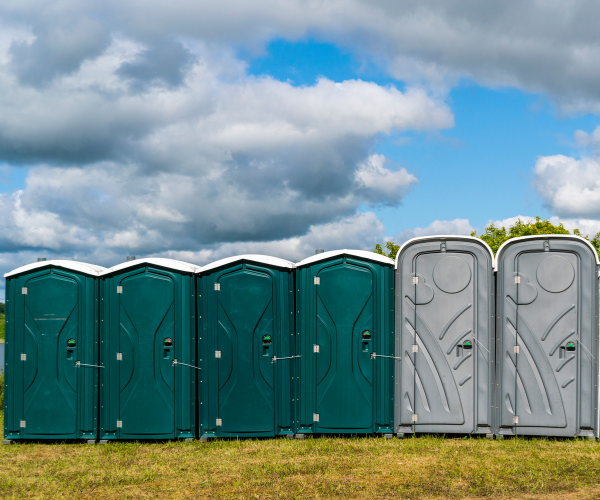
Portable toilets offer a range of eco-friendly benefits that contribute significantly to environmental conservation and sustainability. First, they require significantly less water compared to traditional toilets, which helps in saving one of the planet's most precious resources. Most portable toilets are designed to use chemicals that minimize odors without harming the ecosystem. Additionally, the waste collected from portable toilets can be processed and treated to convert it into fertilizers or biogas, thus promoting a cycle of reuse and sustainable waste management. Moreover, their portability means they can be strategically placed to minimize impact on natural habitats, such as during large events that may disrupt local wildlife or landscapes. Another green advantage is the reduced carbon footprint, as portable sanitation facilities often decrease the need for attendees to travel far to access restrooms. When used at construction sites, they reduce soil and water contamination that might otherwise occur. In summary, using portable toilets not only addresses immediate sanitary needs but also contributes to long-term ecological benefits through water conservation, waste recycling, habitat protection, and reduced emissions.
Portable Toilet Rentals in Starke, Florida
Call today for a free quote (352) 660-8775
Portable Toilet
Fast, Easy, & 100% Free To Get Started
Over 20 Years Of Experience
With over 20 years of experience, our dedication to the Starke community is unmatched. Our commitment to quality ensures that you receive dependable service every time. Choose us for a partner you can trust, delivering exceptional customer satisfaction with every rental.
Superior Quality Service
Our main focus is providing superior quality service that ensures your satisfaction. We use top-notch equipment and highly trained staff to offer the cleanest and most reliable portable toilets in the Starke area.
Prompt Delivery Services
Benefit from our portable toilet rentals with fast and reliable delivery. Trust us to meet tight schedules, ensuring each unit arrives promptly and in pristine condition, customized to your specific requirements.
Convenient Portable Toilet Options in Starke, Florida
Call for a Free Quote Today
(352) 660-8775
At Porta Serve, we provide dependable and reliable portable toilet services in Starke, Florida, and surrounding areas. As a locally owned company, we take pride in offering clean and durable units for a variety of events such as construction sites, weddings, festivals, and private parties. Our commitment to customer satisfaction ensures that your sanitation needs are handled professionally and efficiently. With our extensive experience, you can trust us to deliver exceptional service tailored to your event's unique requirements. Whether you're organizing a large festival or an intimate backyard gathering, our portable toilets provide the perfect solution, making us your trusted partner in sanitation.
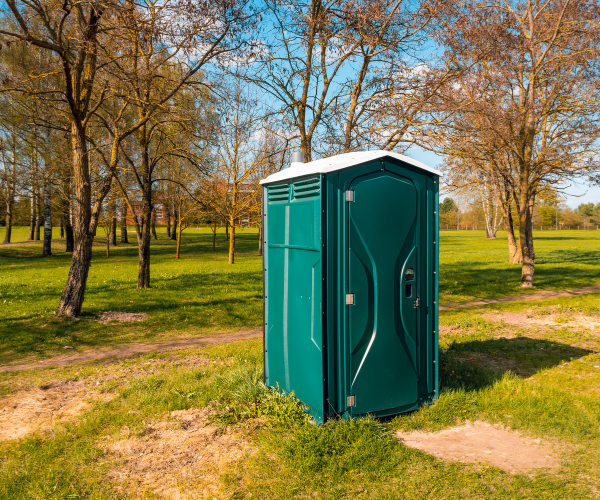
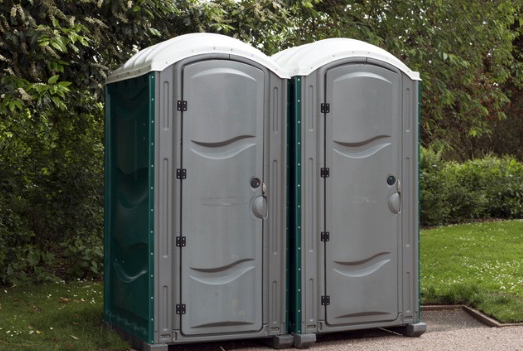
Standard Portable ToiletOur standard porta john rental units are durable and reliable for any commercial build site, housing development, public works project, or remodel job.Features include dome lighting, grated floors, and an “In-Use” locking mechanism for privacy and comfort.Regularly maintained, inspected, and cleaned by FusionSite at your location.
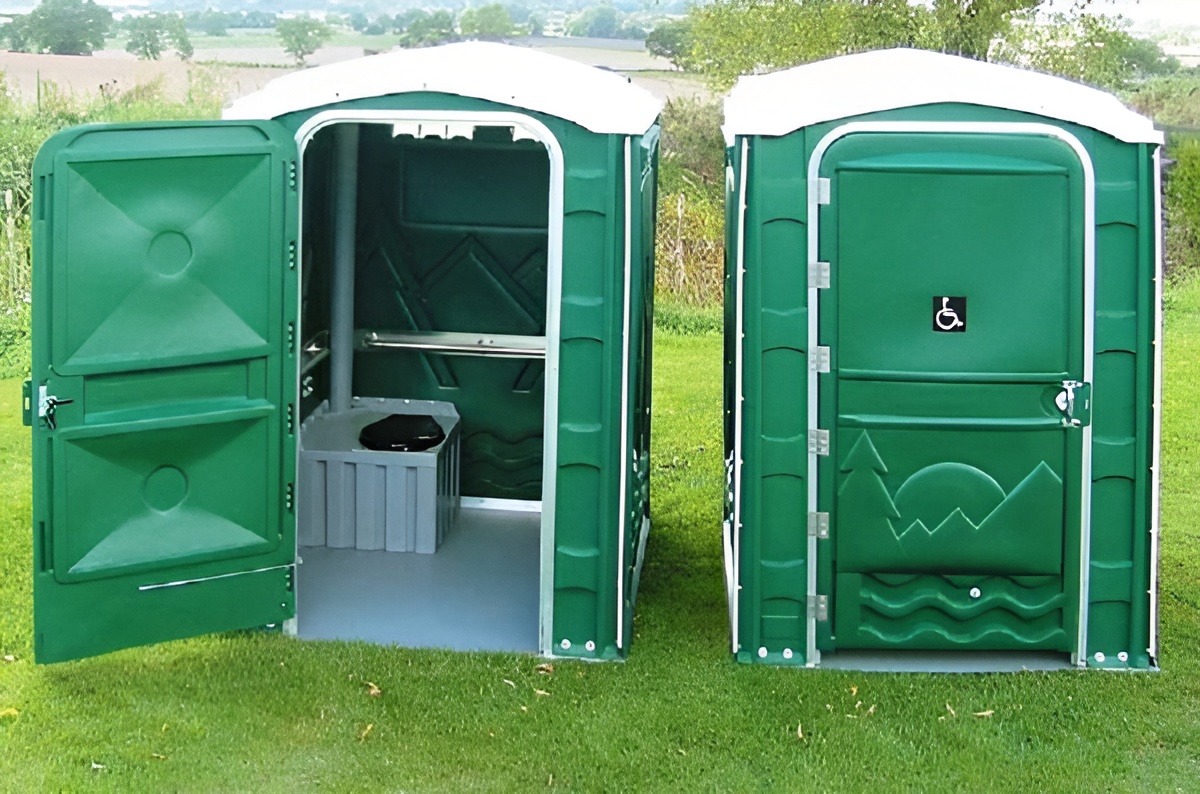
Wheelchair Accessible RestroomsDeveloped as an alternative to full ADA-compliant restrooms, the Liberty is a spacious, wheelchair-accessible unit that can also be promoted as a family-sized restroom.Includes a patented flat-floor system for easy wheelchair access and maneuverability.Handrails, paper holder, and rotary latch are designed for simple, intuitive end-user operation.
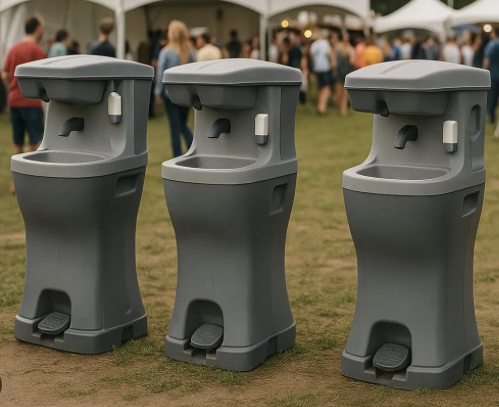
Portable SinkPortable hand washing stations are essential for keeping your work site sanitary and clean.Features hands-free foot pumps, liquid soap, and paper towels.Perfect for job sites without water hookups, these units can handle hundreds of washes between services.
We Proudly Serve
Standard Portable Toilets
Porta Serve delivers hassle-free, clean, and reliable standard portable toilets across Florida, tailored to meet your event's needs.
High Rise Portable Toilets
Our high-rise portable toilets are conveniently designed for construction sites in Starke, accommodating any vertical challenge.
Restroom Trailers
Porta Serve offers premium restroom trailers in Starke, ensuring luxury amenities for any upscale event.
Roll off Dumpsters
Efficient and reliable roll-off dumpster services are available by Porta Serve in Starke for all your waste management needs.
Septic Tank Cleaning
Porta Serve provides thorough septic tank cleaning services throughout Florida, ensuring optimal system performance.
Grease Trap Cleaning
We offer leading grease trap cleaning services in Starke, Florida, keeping your systems running smoothly and hygienically.
Fencing & Barricades
Porta Serve supplies secure fencing and barricades services across Florida, ensuring the safety and organization of your events.
Residential Storage
Convenient residential storage solutions in Starke are available from Porta Serve for all your secure storage needs.
Starke Portable Toilet and Event Services
Obtaining a quote and arranging delivery for your portable toilet needs in Starke has never been more straightforward. Our website features an easy-to-use form that allows you to request a quote within minutes by providing basic information such as your contact details and event requirements. Our dedicated team ensures prompt responses, guiding you through the selection process to find the best solutions for your event, whether large or small. Once you've chosen your ideal setup, scheduling delivery is seamless and flexible, accommodating your timeline and venue specifications. We prioritize efficiency, ensuring your portable toilets arrive when you need them, with all units meticulously cleaned and fully stocked, enhancing your guests' comfort and experience.
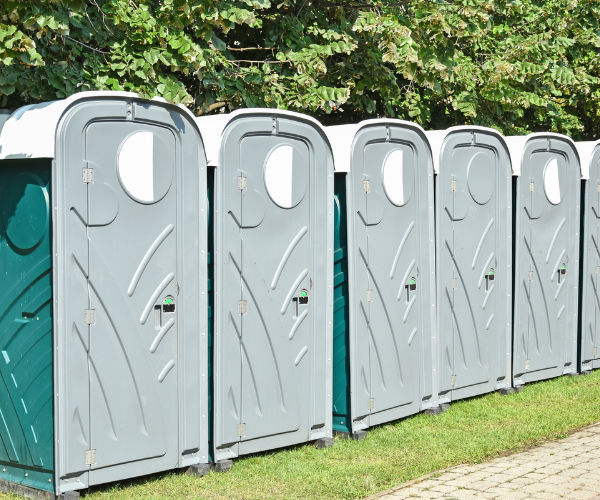
Starke, Florida, is a town rich in local charm and outdoor attractions, where community events thrive amid beautiful natural settings. From the historic Florida Twin Theatre to the lively Bradford County Fair, there are countless occasions where our Portable Toilets provide optimal solutions, ensuring comfort and hygiene as you explore the area's numerous festivals, sporting events, and gatherings. Our units are a perfect fit for Starke's vibrant community, offering clean, reliable, and convenient services tailored for every occasion. Choosing Porta Serve means enhancing the quality of your event in Starke. With our efficient and well-maintained Portable Toilets, we guarantee a seamless experience for your guests. Our services are designed to complement and elevate your venue, underscoring the importance of sanitary amenities in contributing to successful local events. Whether hosting a community festival or a nature-inspired family gathering, our commitment to service excellence ensures your guests enjoy superior comfort and convenience. In Starke, our portable toilets stand as the top choice, embodying reliability and client satisfaction in every unit.
Proudly Serving StarkeLocated in the heart of Starke, Porta Serve stands as the premier choice for Portable Toilet rentals. Our deep-rooted presence in the community highlights our commitment to exceptional service. We consistently prioritize customer satisfaction by providing high-quality products tailored to meet the demands of any event.Excellence in Customer ServiceOur dedication to the Starke area shines through unparalleled customer service, where meticulous attention to detail matters. Each Portable Toilet remains spotless and dependable, backed by a team eager to assist with your specific needs. This allows you to concentrate on hosting a successful event without any worries.
Fast and Reliable SolutionsYour search for fast and reliable Portable Toilet services ends here with Porta Serve. Our reputation in Starke for quick response times and exceptional reliability sets us apart as the foremost provider in the area. When you partner with us, you ensure predictability and professionalism.Seamless DeliveryOur streamlined processes guarantee that your Portable Toilets are delivered quickly and efficiently. Whether accommodating a last-minute event or planning a large festival, our team ensures every rental fits seamlessly into your schedule, offering a worry-free experience in both planning and execution.
Learn More About Our Portable Toilet in Starke
Renting a portable toilet in Starke is a straightforward and efficient process that can be completed in just a few steps. Start by visiting our website, where you'll find user-friendly forms located conveniently at the top and bottom of each page. Begin by filling in your first name, last name, phone number, and email, then proceed to specify your event details or any particular needs. Additionally, throughout the website, you will notice 'Get A Quote' buttons which can be clicked for a quick inquiry and estimation of the rental costs. Once your information is submitted, our team will promptly review your request and get in touch with you to discuss the best options tailored for your requirements. We strive to provide personalized service, ensuring the portable toilets we supply efficiently meet the demands of your event. After finalizing the rental agreement, you can expect timely delivery and setup without any hassle on your end.
Portable toilet delivery times at Porta Serve fluctuate based on location and demand, yet we are renowned for our exceptional efficiency. Once you finalize the rental agreement, we typically achieve delivery within 24 to 48 hours. Our team meticulously aligns with your schedule to ensure portable toilets reach your specified site precisely when required. During peak event seasons or in high-demand situations, we advise placing orders at least a week in advance to secure your preferred delivery date. Nevertheless, even for urgent needs, we strive to accommodate short-notice requests with promptness and effectiveness. Our logistics experts excel at orchestrating swift deliveries while upholding the quality and cleanliness of the portable toilets. We prioritize communication, keeping you informed every step of the way, to ensure a smooth experience from order to setup. With Porta Serve, rest assured that timely and reliable delivery is our priority, enhancing the success of your event.
Yes, we are fully equipped to service all types of events and construction needs with our comprehensive range of sanitation solutions. We cater to a variety of event types, including festivals, sporting events, weddings, corporate gatherings, and family reunions. Our product line includes luxury restroom trailers for upscale events, standard porta potties for general use, and roll-off dumpsters for efficient waste management. Additionally, we provide fencing and barricades, holding tanks, ADA-compliant units, portable sinks, and hand sanitizer stations to meet diverse requirements. Whether you're managing a bustling construction site or hosting an intimate wedding, our services are tailored to fit seamlessly into any setting. Our team of experts stands ready to support your event with professionalism and efficiency, ensuring all your sanitation needs are met with precision and reliability.